
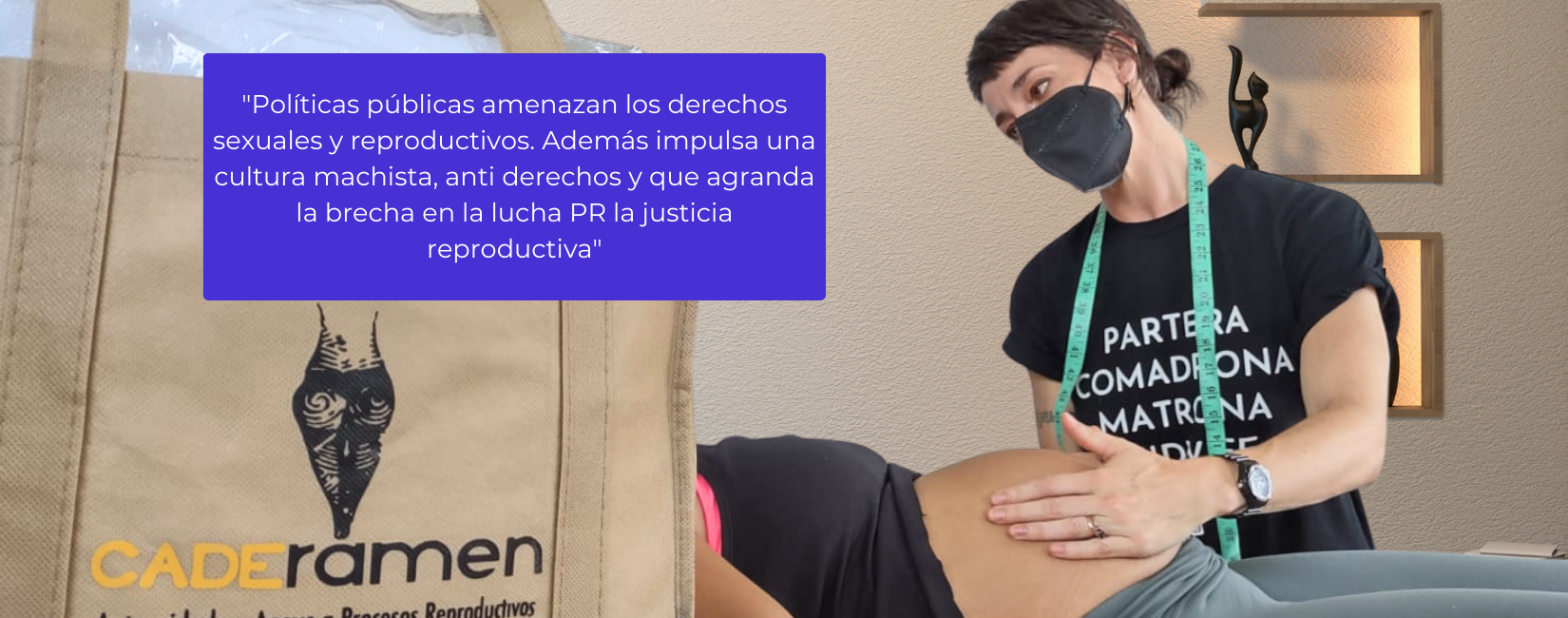
The archipelago of Puerto Rico, located in the Caribbean Sea, is inhabited by just over 3.2 million people. In 2017, 24,395 births were registered. The number of births has decreased annually, with an average between 2018 and 2021 20,045. This represents about 4,000 fewer births than in 2017. The issue has become more complex, as in 2023, only 17,772 people were born, the lowest level of births since records began in 1888. This reflects reality on a global scale. Some local politicians blame women for not wanting to reproduce. In parallel, these same figures promote public policies that threaten sexual and reproductive rights, such as abortion. Additionally, they promote a “machista” culture, anti-rights, and exacerbate the gap in the struggle for reproductive justice. This represents a manifestation of gender-based violence, specifically mistreatment, reproductive coercion, and obstetric violence.
We lack legislation and oversight to ensure access to midwives, community doulas, and sensitive accompaniment for pregnant and postpartum individuals, men involved in parenting, and children.
In the case of the perinatal healthcare system (healthcare services for pregnant and postpartum individuals), its core was attacked in 1993 with the privatization of essential services in the public sector and the dismantling of the state university. This dismantling, resulting from poor public administration, became more evident with the closure of sexual and reproductive health clinics, private hospitals, delivery rooms, and the exodus of healthcare professionals. In Puerto Rico, obstetric violence (violence exercised at the institutional and interpersonal level by various healthcare professionals in reproductive health processes) is rampant. Obstetric violence remains unpunished. This violence is complicit in poor health indicators such as cesarean section rates and premature births, as indicated by organizations such as March of Dimes, which rate local performance on these issues as “F”. We lack legislation and oversight to ensure access to midwives, community doulas, and sensitive accompaniment for pregnant and postpartum individuals, men involved in parenting, and children. We are experiencing a perinatal care crisis, and the situation could become even more complicated. What does it mean that we are experiencing a perinatal health crisis? Let’s see.
On November 26, 2019, the Maternal, Child, and Adolescent Health Division of the Department of Health presented the 2020 Title V Needs Assessment Study (PRAMS) results. Several areas for improvement were identified in health services and maternal and child care, including breastfeeding rates, cesarean section rates, provider relationships, mental health support, among others. When analyzing childbirth methods in Puerto Rico, we can see that the increase in cesarean sections has been consistent over the past thirty years, representing a public health problem. From 2017 to 2020, the cesarean section rate in Puerto Rico remained between 46% and 48%, which triples the recommendations of the World Health Organization. According to the WHO, no country, regardless of its level of development, should have cesarean section rates above 15%. In 2022, Puerto Rico reached a cesarean section rate of over 50% for the first time, making it the U.S. territory with the highest rate and one of the highest in the Americas region. Cesarean section is associated with birth complications, higher maternal and infant mortality, maternal morbidities, repeated hospitalizations, greater difficulty in establishing breastfeeding, among other health problems. In 2021, we had a 12% premature birth rate and a 10.5% low birth weight rate (≤ 2,500 gm); both indicators place us in the seventh and fourth highest positions among all U.S. jurisdictions.
Caderamen’s SePARE program assisted over 800 families through state and federal funding in northern Puerto Rico.
Non-governmental organizations and community-based clinics have assumed an indispensable role. Peer support models such as community doulas and the integration of other childbirth assistance professionals such as midwives have provided new experiences and greater satisfaction in processes. The reproductive justice perspective of organizations like Caderamen has allowed us to intertwine sexual and reproductive health issues with social determinants such as gender-based violence, accessible housing, food sovereignty, and raciality. Caderamen is a non-profit organization whose programs have been serving from and for the community for over 10 years. In emergencies such as hurricanes, earthquakes, and other catastrophes, we have been first responders ensuring essential care for families. Supporting community-based efforts aimed at reducing inequalities and providing comprehensive sexual and reproductive health services is paramount.
This situation leaves us facing a tough choice: either keep offering services under uncertain and difficult conditions, or temporarily stop our community work, which we know is important and works well.
During the first four years (2013-2017) of service, Caderamen’s SePARE program assisted over 800 families through state and federal funding in northern Puerto Rico. In this way, empowerment was facilitated, and autonomy of these families was encouraged during gestation, childbirth, postpartum, and parenting. It also increased access to health services and prenatal and postpartum education. During the 2017-2018 year, the program’s services were partially interrupted due to hurricanes Irma and María. Since its restart in 2019 with families in southeastern Puerto Rico, the results of the program’s education and prevention interventions spoke for themselves: in 2021, we had a 36% cesarean section rate, 6% premature births, 5% low birth weight babies, and 100% of our participants breastfed at some point, serving as a model of a practice that promotes the human rights of giving birth and being born in peace. A model of humanized and sensitive services that has been available to accompany the diversity of families and life experiences; survivors of gender-based violence, immigrants, people with disabilities, and vulnerable communities.
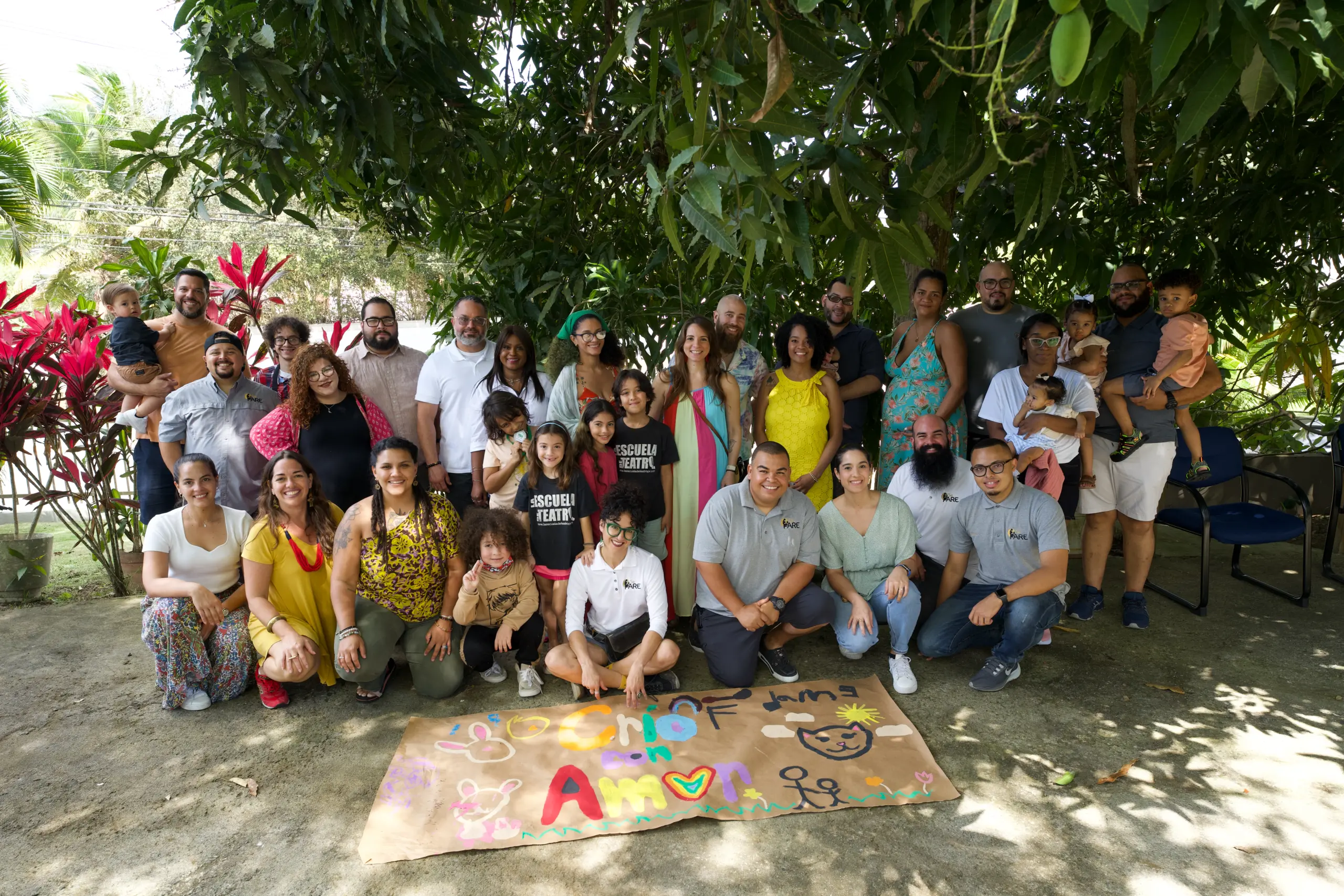
Supporting community-based efforts aimed at reducing inequalities and providing comprehensive sexual and reproductive health services is paramount.
During the first four years (2013-2017) of service, Caderamen’s SePARE program assisted over 800 families through state and federal funding in northern Puerto Rico. In this way, empowerment was facilitated, and autonomy of these families was encouraged during gestation, childbirth, postpartum, and parenting. It also increased access to health services and prenatal and postpartum education. During the 2017-2018 year, the program’s services were partially interrupted due to hurricanes Irma and María. Since its restart in 2019 with families in southeastern Puerto Rico, the results of the program’s education and prevention interventions spoke for themselves: in 2021, we had a 36% cesarean section rate, 6% premature births, 5% low birth weight babies, and 100% of our participants breastfed at some point, serving as a model of a practice that promotes the human rights of giving birth and being born in peace. A model of humanized and sensitive services that has been available to accompany the diversity of families and life experiences; survivors of gender-based violence, immigrants, people with disabilities, and vulnerable communities.
To this day, Caderamen has managed to maintain its services against all odds. This has been possible thanks to community support and our allies. We celebrate the creation of “Hombres y Paternidades”, a service component exclusively for dads and men involved in parenting with a strengths-based and gender perspective model. We celebrate the training sessions, workshops, and symposiums for healthcare professionals and institutions that we have been providing for over 3 consecutive years through the [access] program. We celebrate community satisfaction, the prevention of obstetric violence manifestations, and community empowerment. We celebrate despite the limited funding received by efforts like ours. However, there are still things we have not been able to celebrate that are part of the debt of reproductive justice. Fair working conditions that provide the team with financial security and well-being are urgently needed. Access to more financial resources is lacking. This puts us in the dilemma of deciding between continuing to provide services from precarity or pausing our community work, which has proven to be necessary and effective. We believe that an equitable distribution of financial resources is possible. We believe in the importance of efforts guided by a reproductive justice perspective. We believe in a community that supports the right to give birth and be born-raised in peace.
If you want to support Caderamen, Inc. Click HERE to make a Donation
